Rooted in the past, built for the future.
Shop My Farmers Market started with a simple question: if we care about what we eat, why is it still so hard to know where our food actually comes from?
Our Story
Zach and Jesse are friends, and together we started Shop My Farmers Market. This is not the first time Zach and Jesse have tried to build something side by side. We have always had projects in flight, from One Project a Month to Kitchen Assist, always traded ideas, and always circled back to the same kind of question: what is a real problem we can solve for people?
This one clicked because it came from both sides of the same issue. Zach saw how difficult it is for local farms and shoppers to find each other in a practical, modern way. Jesse kept coming back to a more personal frustration: people should know where their food comes from, and it should be easier to build trust with the people growing and raising it.
Zach's Story

Every meal should tell a story. For Zach, that story began in his grandmother's garden. Growing up, he experienced the incomparable taste and connection of eating home-grown, hand-harvested meals straight from the earth. It is a special memory that shaped how he views food.
But like many Americans, as Zach got older, he fell into the rhythm of the typical modern lifestyle. Convenience replaced connection. Even when he made a conscious effort to eat properly, he realized a frustrating truth: he had absolutely no idea where his food was actually coming from.
The turning point came through Zach's wife, a sustainability consultant in Charlotte. Tagging along with her to local environmental and community events, Zach was exposed to the passionate world of regional agriculture. But as he observed the crowd, he noticed a massive disconnect. Two glaring realities became obvious:
- Everybody wants to shop local and support our regional food systems.
- Almost nobody has the time or the tools to figure out how to do it.
Driven to solve this, Zach started spending weekends interviewing local farmers at the markets. He asked them how they sold their goods, how they managed surplus inventory, and how everyday people could find them online. The answers were eye-opening. The agricultural side of the web was completely fragmented. Neighboring farms were using completely different, disjointed tools to promote themselves, while others had zero online presence at all, relying entirely on foot traffic at physical weekend markets.
When Zach interviewed the shoppers at those same markets, the loop closed. The vast majority admitted they still bought their meats and vegetables from conventional grocery stores out of pure convenience, even though they heavily preferred their food and dollars go directly to local farmers.
That disconnect was the inception of Shop My Farmers Market. We realized that farmers don't need more complex, expensive website builders, and shoppers don't need more hurdles to jump through just to buy fresh eggs and produce. We saw an opportunity to be the definitive digital bridge, fostering community resilience, saving farmers time, and bringing the local market straight to the modern doorstep.
Jesse's Story
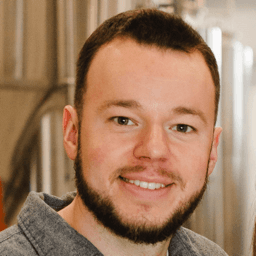
Jesse's version of the problem starts with a simple belief: people should fundamentally know where their food comes from. There are great grocery stores and farmers markets that do a good job surfacing better options. Wegmans, Whole Foods, and local farmers markets all have a place. But Jesse has always wanted a more direct way to find farmers he can trust.
Jesse has wanted to explore buying larger shares of food directly from a farmer, whether that is part of a cow, pasture-raised chicken, or the kind of ingredients that make it easier to cook real meals from scratch. The part that always slowed him down was trust. He has been to plenty of farmers markets, met people, had good conversations, and then forgotten who was who a few weeks later.
When you find a farmer you really connect with, you should be able to follow their story, see what they have in stock, know where they will be this weekend, and understand how to buy from them again. If they are in Syracuse one weekend and somewhere else the next, that should not make the relationship disappear.
Food recalls, pesticides, preservatives, microplastics, and long ingredient lists all make the same point for Jesse: the more distance there is between people and their food, the harder it is to feel good about what they are eating. Jesse looks for foods with minimal ingredients and cares about cooking from scratch. One day, he would love to have a big, beautiful garden. He is not there yet.
Buying local and buying directly from farmers has usually meant better quality, often better value, and a better feeling about what people are eating. Zach and Jesse do not think this replaces grocery stores, restaurants, Wegmans, Whole Foods, or existing distribution. Those channels will keep existing. The point is to give shoppers a direct angle to interface with farmers when they want that relationship.
Why It Fits Together
Zach's story is about the regional food system and the missing tools between farmers and shoppers. Jesse's story is about wanting to understand what people are eating and build trust with the people behind it. Together, that is the product: a simple marketplace that helps shoppers find local food and helps farmers stay discoverable without giving up margin to another commission-based platform.
We are not trying to replace the physical farmers market. We are trying to make it easier to find, follow, and buy from the people who make those markets worth showing up for.